
Showing posts with label blueberries. Show all posts
Showing posts with label blueberries. Show all posts
Friday, 5 October 2012

Saturday, 29 October 2011
Blueberries and Blackcurrants
Growing Blueberries
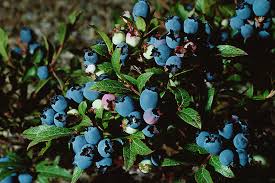
Apart from being rather tasty (must stop using the word 'yummy' about everything), blueberries are are high in antioxidants and Vitamin C and (like blackcurrants) can be frozen to enjoy throughout the year.
I've been reading about blueberries recently where it says that they're very rewarding to grow, so long as certain details are borne in mind.
This came from the interesting site Garden Fresco (http://www.gardenfresco.co.uk/growing-fruit/blueberries):

Apparently they like to grow in acid soil. As the soil here is on the alkali side, adding pine needles and conifer clippings to the soil around them helps make the soil more acidic. Also put some ericaceous compost around the base of the bush at the end of April and end of June.
In order to help with pollination, and thus produce more fruit, it's recommended that we plant more than one blueberry bush.
Also add potash in spring (potash helps balance nitrates), so we will use ash from any bonfires and from our wood burning stove.
If it's any interest, this diagram came from the potassium development association website:

Blackcurrants
So far as growing blackcurrants is concerned, here are a few notes from the Saturday Telegraph newspaper 5/4/2014:
Like blueberries, growing blackcurrants is great value as they're so expensive in the shops. The flavour is incomparable to the shop-bought fruit, so long as we let them mature beyond when they're fully dark.
The most reliable plants tend to have 'ben' in their name - best for flavour and for hardiness (Ben Conan, Ivory are early, probably July with Big Ben and Ben Tirran following on later).
Harvesting is easier if all the fruit ripens at the same time then they can be pruned and the berries picked at the same time.
They like a sunny spot with fertile soil, a metre and a half to spread out, and a good soaking in dry spells.

Their branches become less productive over time so every year remove a third of the oldest wood to allow new branches to grow through. This can be done in the winter but it's easier to do this when the berries are ready to be harvested, put the stems into a jug of water and use the berries and leaves when needed.
Once picked, they'll keep for a few days in a fridge. To make into a puree, which can be then frozen and used at your leisure, simply put them into a pan (no need to top and tail them) with a tiny amount of water and cook over a gentle heat, stirring occasionally. Then sieve and freeze, unsweetened. It's a fine base for sorbets, cocktails, ice cream. And don't forget that the leaves make a wonderful herbal tea.
Apart from being rather tasty (must stop using the word 'yummy' about everything), blueberries are are high in antioxidants and Vitamin C and (like blackcurrants) can be frozen to enjoy throughout the year.
I've been reading about blueberries recently where it says that they're very rewarding to grow, so long as certain details are borne in mind.
This came from the interesting site Garden Fresco (http://www.gardenfresco.co.uk/growing-fruit/blueberries):

Apparently they like to grow in acid soil. As the soil here is on the alkali side, adding pine needles and conifer clippings to the soil around them helps make the soil more acidic. Also put some ericaceous compost around the base of the bush at the end of April and end of June.
In order to help with pollination, and thus produce more fruit, it's recommended that we plant more than one blueberry bush.
Also add potash in spring (potash helps balance nitrates), so we will use ash from any bonfires and from our wood burning stove.
If it's any interest, this diagram came from the potassium development association website:

Blackcurrants
So far as growing blackcurrants is concerned, here are a few notes from the Saturday Telegraph newspaper 5/4/2014:
Like blueberries, growing blackcurrants is great value as they're so expensive in the shops. The flavour is incomparable to the shop-bought fruit, so long as we let them mature beyond when they're fully dark.
The most reliable plants tend to have 'ben' in their name - best for flavour and for hardiness (Ben Conan, Ivory are early, probably July with Big Ben and Ben Tirran following on later).
Harvesting is easier if all the fruit ripens at the same time then they can be pruned and the berries picked at the same time.
They like a sunny spot with fertile soil, a metre and a half to spread out, and a good soaking in dry spells.
Their branches become less productive over time so every year remove a third of the oldest wood to allow new branches to grow through. This can be done in the winter but it's easier to do this when the berries are ready to be harvested, put the stems into a jug of water and use the berries and leaves when needed.
Once picked, they'll keep for a few days in a fridge. To make into a puree, which can be then frozen and used at your leisure, simply put them into a pan (no need to top and tail them) with a tiny amount of water and cook over a gentle heat, stirring occasionally. Then sieve and freeze, unsweetened. It's a fine base for sorbets, cocktails, ice cream. And don't forget that the leaves make a wonderful herbal tea.
Thursday, 15 September 2011
Union Flag Fruit Cake

Recent front page of weekend Telegraph supplement - yum, yum!

I don't know if this is a tea towel - if not it certainly should be.
Subscribe to:
Posts (Atom)