Saturday, 19 January 2013

This is always a popular dish when vegetarians (and others) come to visit.  Today, as well as carrot, celery and onion, I'm making this pie using butternut squash, green pepper and a couple of lettuce leaves instead of courgette, as any mixture of veg is suitable.
'The' Pie, complete with circular decoration

Vegetable and Couscous Pie
Serves 6

Ingredients

1 pack ready-made Puff Pastry

Filling
1 oz butter/oil
1 tsp each Tumeric, Cumin and Coriander (or some Curry Powder)
1 Onion, chopped
1 Carrot, chopped
1 stick Celery, chopped
1 small Courgette, chopped (or Butternut Squash)
1 small cup Couscous, cooked (or Bulgar Wheat or Rice)
2 Eggs, beaten (or three egg yolks)
1 tbsp small seeds


  1. Melt butter/oil, add onions, cook until soft, add spices and cook a bit more.
  2. Cook rest of ingredients in a little water.
  3. Turn on oven and set at 180C (gas 4).
  4. Roll out puff pastry and cut into two large rounds.
  5. Drain vegetables, keeping the liquid, add couscous and some salt.
  6. Cool a little, add the eggs.
  7. Egg the edges of pastry circle.
  8. Pile on the vegetable mixture, leaving a 1" border.
  9. Top with other piece of pastry, knock back the edges to seal.
  10. Brush with egg and milk mixture.
  11. Sprinkle on some poppy seeds or similar.
  12. Cook for about 40 minutes.


The left-over vegetable mixture - it's always difficult to be exact with vegetables - I made into soup, before adding the couscous and eggs, using the vegetable 'water'.


Oven conversion table: http://www.onlineconversion.com/cooking_gasmark.htm

Sunday, 13 January 2013

I've just been looking on the weather forecast and lots of snow has fallen in Scotland, with more likely.  
Here are some photos taken when we were up in Edinburgh, just after New Year.  It was very mild, with temperatures as high as 14C in the middle of the, admittedly very short, days.  

It wasn't very sunny so I didn't take many photos, except these which are all views from the path in Princes Street Gardens.


Wednesday, 26 December 2012

We're about to go away for a couple of days - to visit the Tate St Ives amongst other places, and so have been going through the fridge, in order to use up fresh food before we leave.  There was half a celeriac, not sure what to do with it so looked at the River Cottage website and this was what Hugh suggested:

Celeriac Soup

  • 50g Butter
  • 1 Celeriac, peeled and cubed
  • 1 Potato, peeled and cubed
  • 1 Leek, trimmed, washed and roughly sliced
  • 1 Onion, peeled and roughly chopped
  • 1 Garlic clove, sliced
  • 1 litre Stock, chicken, vegetable or made from the bones of your Christmas bird
  • Parsley & walnut pesto to serve
  •  
Amongst the comments underneath were suggestions to serve the soup with:
  • toasted hazelnuts, homemade croutons and parsley. 
  • fresh sage 
  • fresh parsley
I also saw on another site that they'd included some apple to spruce up the taste which sounds worth trying.

The suggestion for vegans was:  
dairy free Pure Sunflower Spread instead of butter
we used Knorr Vegetable Stock Pot 
we also sprinkled in some fresh sage as mentioned above
served with Focaccia and Olive oil/Balsamic vinegar dip.


Wednesday, 12 December 2012

December - tidying up the garden for winter

I don't put the garden to bed, but I do a brisk winter clean-up that takes me into spring.  And the hope is that these aerobic activities keep me, and my garden, in shape:

  • Sweep paths and surfaces regularly. 'Open' gardens have to do this on a daily basis.  In winter I try and do all the surfaces visible from the house fairly regularly to avoid the deab, neglected look.
  • Cutting hedges and overgrown shrubs down to size.  These creep up-, becoming more difficult. Sawing the thick stems back to just below the minimum optimum height is energetic work and makes annual maintenance far easier.
  • Cutting back herbaceous - but only when they look scary.  I don't divide them (unless I need more).  I haveyet to find ohne that starts to die back int he centre of the clump, contrary to poopular belief.
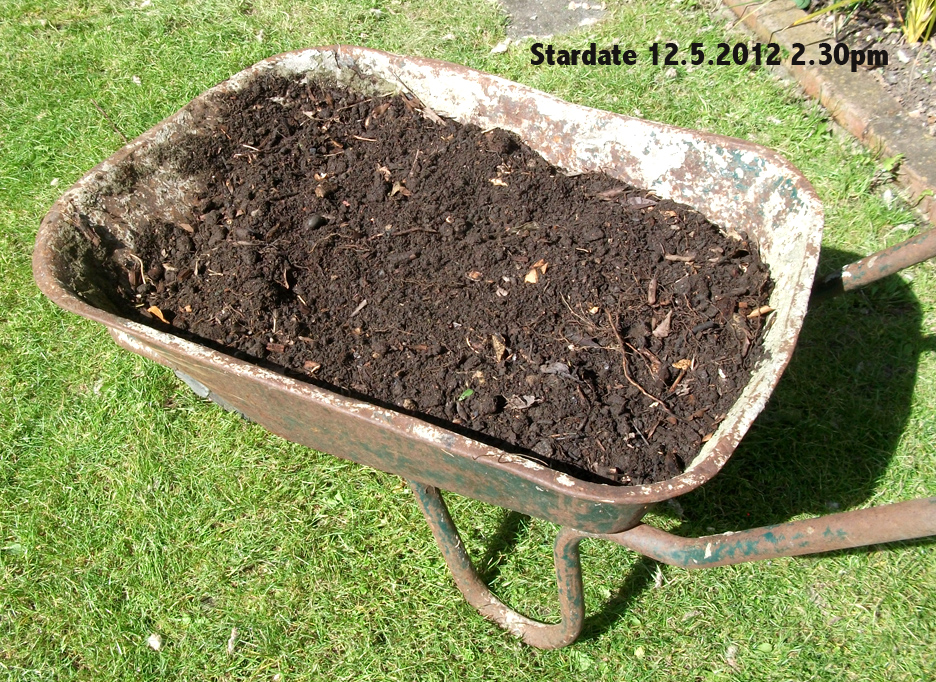
  • Adding mulch.  I have a huge heap of green compost which I apply thickly (150mm) everywhere I can.  It saves weeding, improve the soil and makes up for nutrients lost in the heavy rain.
  • Washing the greenhouse.  The glass gets dirty with all the wind and rain, and if yours is anything like mine, every bit of extra light helps.  Make sure it's clean before spring.
  • Gravel raking.  I freshen and redistribute the gravel ona frosty day as it's hot work.
  • Turning the compost heap and spreading.  My compost has weed seeds unlike the bought equivalent.  It goes in places such as the bottom of planting pits and as mulch on my borders, or anywhere it's easy to spot and remove weeds.
Article is from Bunny Guinness in the Sunday Telegraph

Saturday, 8 December 2012

Know your enemy

There are old enemies which have been around for many years, and there are newer enemies: a whole range of other pests, some relatively new in Britain, gradually spreading out across the country, and encountering gardeners for the first time.


Vine Weevil: one of the most troublesome pests, it causes damage to a wide range of plants in gardens, greenhouses or the house.  The adult weevils are active at night from spring to autumn.  They spoil the appearance of foliage by eating notches in the leaf margins. The grub stage is even more destructive as they eat roots and can kill plants, especially those in pots or other containers.
Leek Moth and Allium Leaf-mining Fly: both of these pests have larvae that mine the foliage of leeks, onions and related vegetables, later boring to the stems and bulbs.  Damaged plants are often killed by secondary rots that infect the damaged tissues.  Leek mother used to be confined to south east England but is spreading west and northwards.  
Viburnum Beetle: the adult beetles feed on the foliage in late summer but most of the damage is done by the larvae in April to May.
Cushion Scale: there are several special of scale insects that damage garden plants. Cushion scale is one of the more troublesome. It attacks evergreen

to be continued ....

Sunday, 2 December 2012

Wholesome Pumpkin Bites

(from Allreceipe.co.uk)

These cookies are not only delicious and quick to make, but they are also packed full of protein, fibre and omega-3 fatty acids. Enjoy for breakfast, general snacking or picnics.


Ingredients

Makes: 14
·                                 20g granulated sugar
·                                 80g porridge oats
·                                 125g wholemeal flour
·                                 45g soya flour
·                                 1 3/4 teaspoons bicarb
·                                 1/2 teaspoon baking powder
·                                 2 teaspoons ground cinnamon
·                                 1 teaspoon ground nutmeg
·                                 125g pumpkin puree
·                                 1 tablespoon oil
·                                 2 egg whites
·                                 1 teaspoon black treacle
·                                 1 tablespoon linseeds (optional)
  1. Preheat oven to 180 C / Gas 4. 
  2. In a large bowl, whisk together sugar, oats, wholemeal flour, soya flour, bicarbonate of soda, baking powder, salt, cinnamon and nutmeg. 
  3. Stir in pumpkin puree, oil, water, egg whites and black treacle. Stir in linseed, if desired. 
  4. Roll into 14 large balls and flatten on a baking tray.
  5. Bake for 5 minutes in preheated oven. DO NOT OVERBAKE as the cookies will come out really dry.

Flapjack Recipe

125g butter or cooking margarine
125g demerara sugar
5 tbsp golden syrup
225 old fashioned porridge oats
1 tsp ground ginger and/or raisins


  1. Preheat oven to 190C.
  2. Grease 20cm sandwich tin.
  3. Melt butter and stir in sugar and syrup.
  4. Add oats and ground ginger and mix well.
  5. Using the back of a metal spoon press mixture evenly over the base of the tin and smooth over.
  6. Bake for 20 minutes.
  7. Cool for 15 minutes in the tin, then score into 8 wedges.
  8. Cool completely, turn out and break into wedges.

Dried Fruit Compote

1/2 vanilla bean, halved lengthwise

1 cup water
2 cups wine
2 - 3 cups dried fruit, such as pears, peaches, apricots, prunes, raisins
Optional: cinnamon stick, 2 cloves, cardamom seeds, toasted peppercorns 
  1. Put all ingredients in slow cooker and cook on low for a long time. (times to follow when I've tried this recipe).